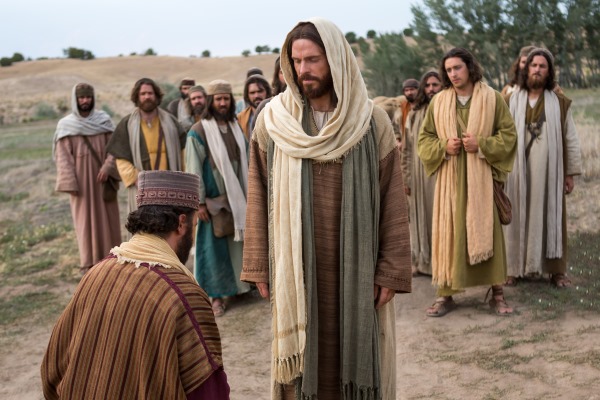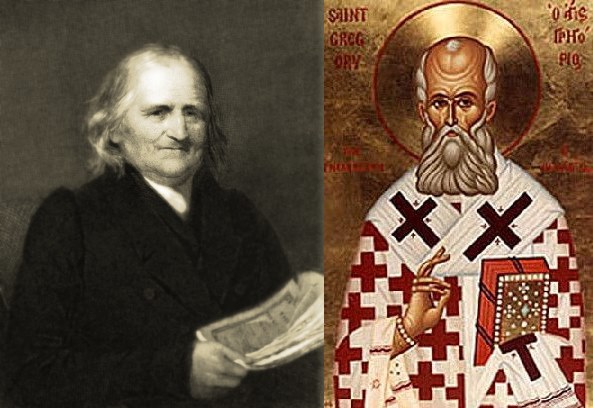
podcast 202 – Gregory of Nazianzus vs. Noah Worcester on subordinationist texts
“Of myself, I can do nothing.” Is this claim about Jesus’s self/person, or only about his “human nature”?
“Of myself, I can do nothing.” Is this claim about Jesus’s self/person, or only about his “human nature”?

How could God allow the church to err on something so important?
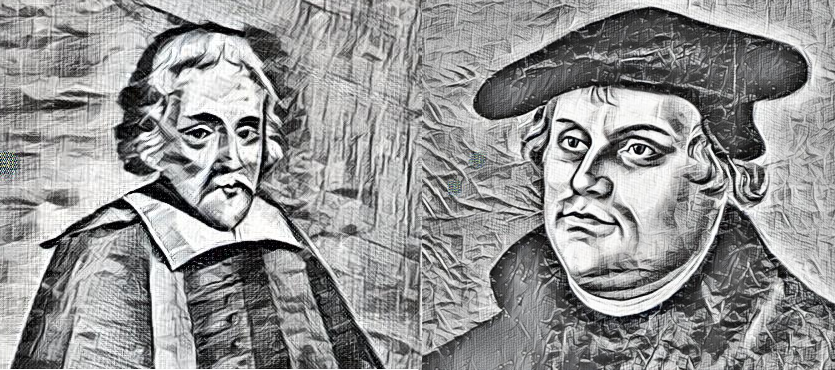
Is reforming in light of scripture only acceptable in the distant past?
Can a unitarian Christian explain why God has the capacity for interpersonal love?

Apologist explains what any theist can, declares victory for his own pet theory.

Real arguments vs. pointed questions combined with incredulous tone.
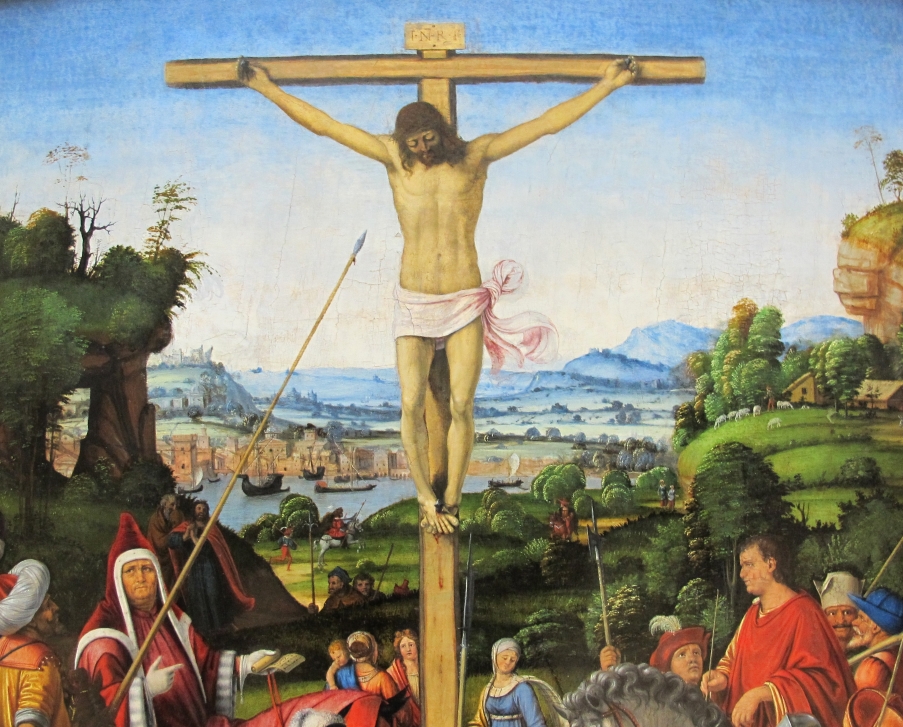
Do we need reconciliation to God, while he doesn’t need reconciliation to us?

Steve Hays has posted on my critiques of purely philosophical arguments from theism to the Trinity.
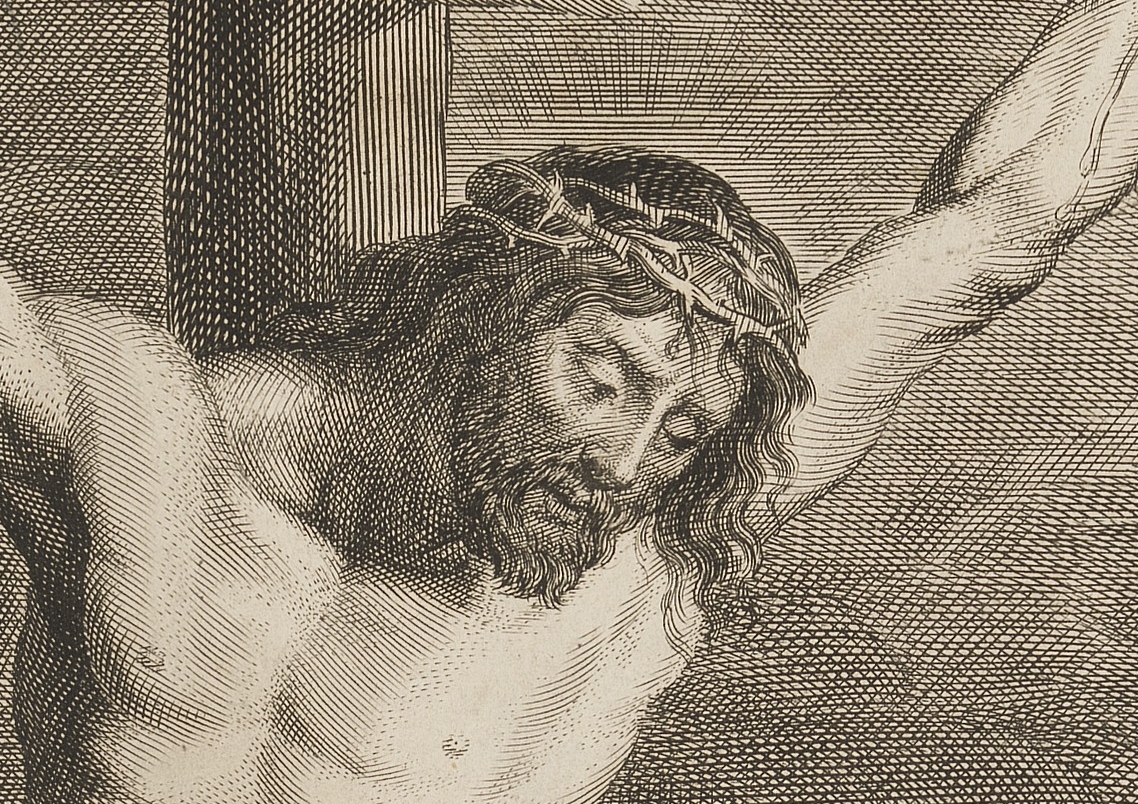
Did Christ die in order to display God’s love for us, rather than his wrath towards us?

Which does the Bible teach, that the one God just is the Father, or that the one God is Father, Son, and Spirit?
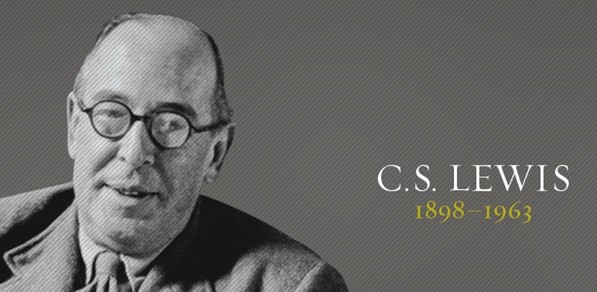
What, according to Dr. Sanders, is the crisis in contemporary trinitarian systematic theology, when it comes to the Bible?

The real question, I think, is whether or not this idea about “God” is consistent with biblical teaching.
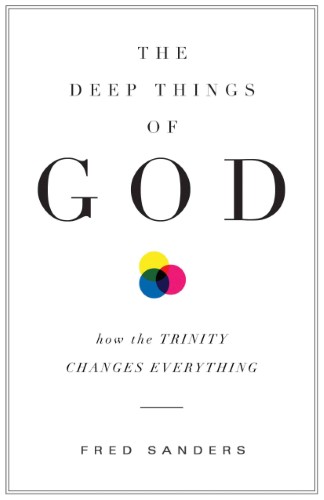
“The Gospel is Trinitarian.” What does this mean, and is it both true and non-trivial?

What Origen actually says vs. what trinitarians wish that he’d said.

Kimel lampoons the biblical unitarian historical narrative, and urges that Irenaeus is a big problem for it.

Dr. James White’s stated reasons for not debating me are based on misunderstanding.

At his blog Faith & Scripture, my friend John interacts with the questions for the reader in chapter 10.
A concise and clear case that the NT authors held a unitarian theology.