podcast 238 – Dialogue with a Catholic Listener
“What bothers me most is the rhetorical move you’re making with this claim that everyone before Nicea (or so) was a ‘Unitarian.'”
“What bothers me most is the rhetorical move you’re making with this claim that everyone before Nicea (or so) was a ‘Unitarian.'”
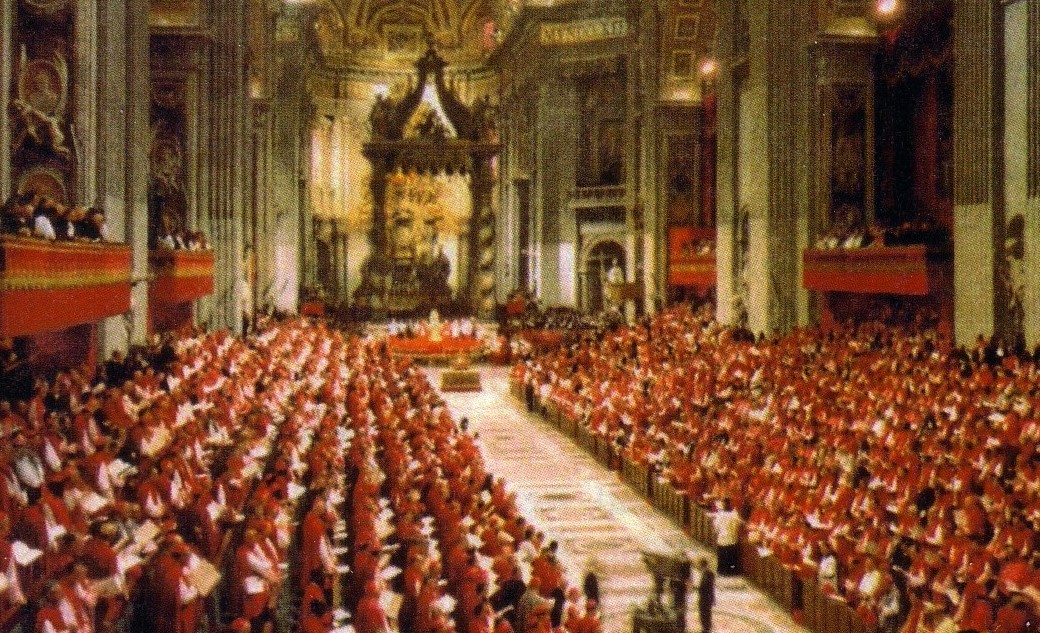
“The Trinity doctrine, at least for orthodox Christians, is found in the seven ecumenical councils.”
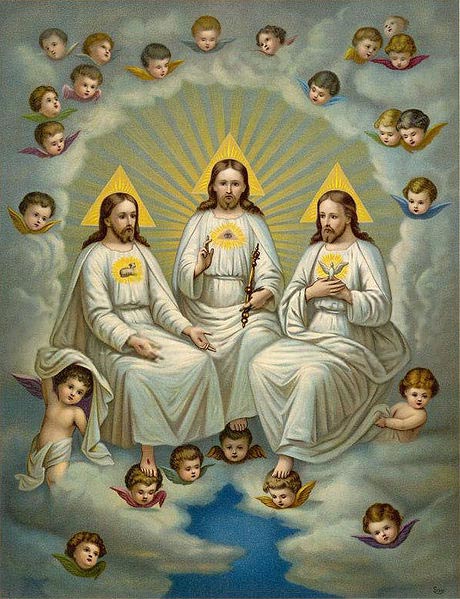
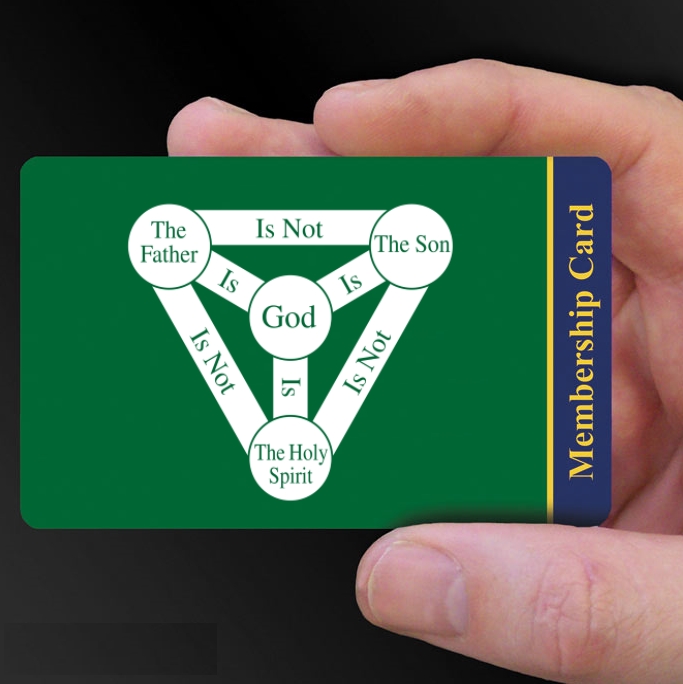
A would-be teacher on trinitarian topics is merely an incoherent tritheist.

An apologist spells out “the Trinity” as incoherent monotheistic tritheism.

Did you know that “Trinity” has long been an ambiguous term?

If only trinitarian scholars majored in consistent, intelligible, fully informed answers!
What must I do, or what must I believe, to be saved?

The real question, I think, is whether or not this idea about “God” is consistent with biblical teaching.

What Origen actually says vs. what trinitarians wish that he’d said.

Kimel lampoons the biblical unitarian historical narrative, and urges that Irenaeus is a big problem for it.

Synopsis: I’m not Eastern Orthodox, so am incompetent to discuss the Trinity, and I’m somehow missing the whole point.
At his blog Faith & Scripture, my friend John interacts with the questions for the reader in chapter 10.

The apostles testify to God the creator and his holy servant Jesus.

Many who are often spun as “proto-trinitarian” thought the one true God is the Father alone.

An apostolic account of what is truly essential to the gospel.
What must you sign off on, to make the deal?