Podcast: Play in new window | Download
Subscribe: Spotify | Email | RSS
In this second part I review my own opening statement (“Man, that guy makes a lot of good points!”) as well as Dr. Sijuwade’s rebuttal.
After you hear this episode, you’ll understand a lot more of the philosophy that came up in this debate. More than one person has told me that they understood our opening statements but got lost after that. This episode will equip you to digest the whole debate.
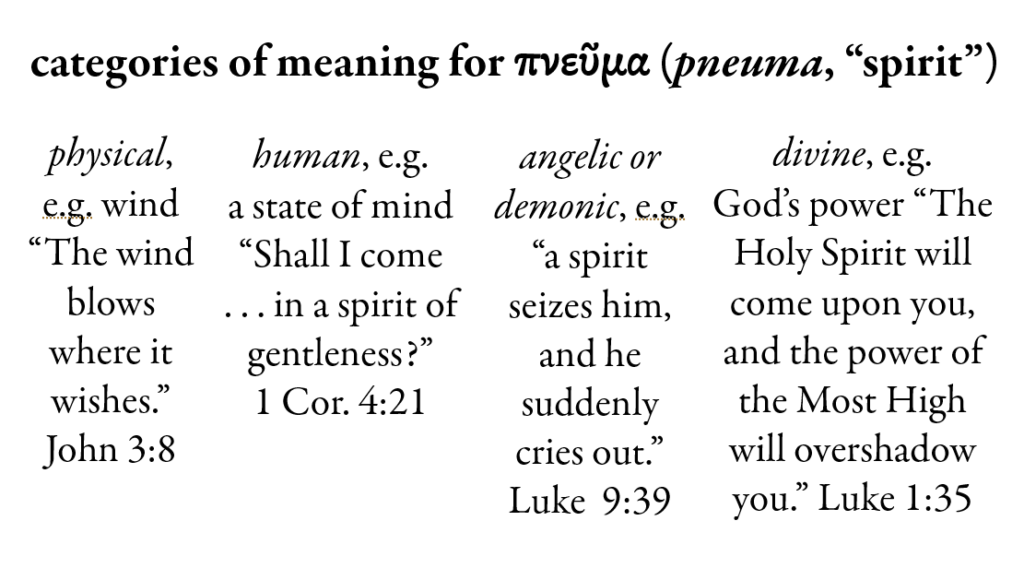
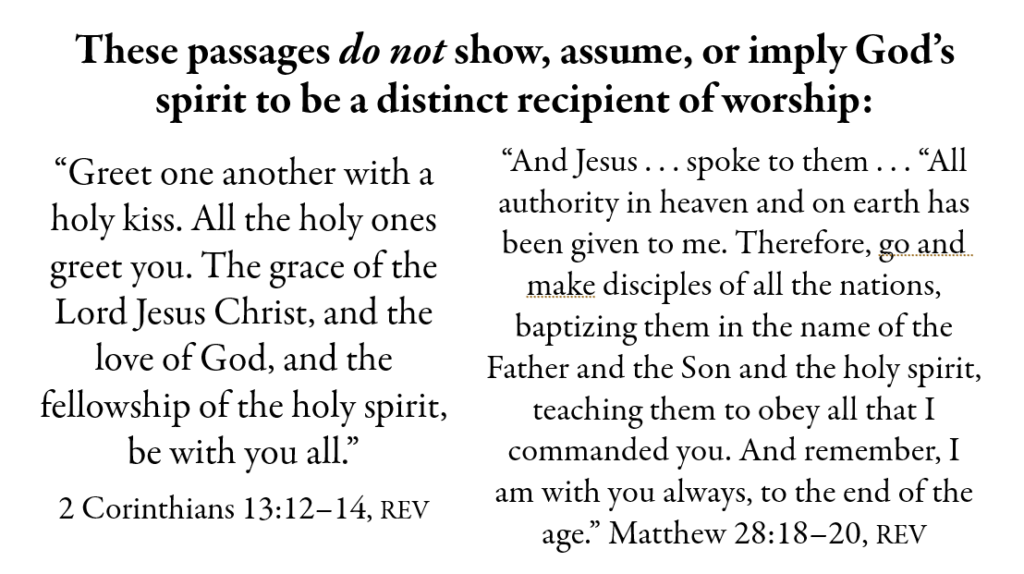
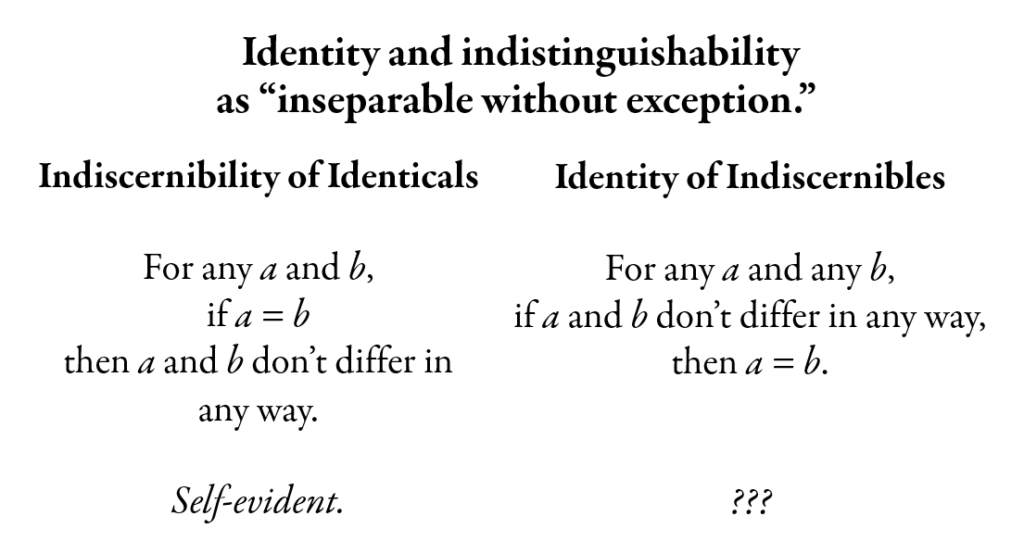
Among other things, I discuss the three or four (not two) theologies at issue in this debate, and explain how Sijuwade’s “Conciliar Aspectivalism” relates to his “Conciliar Trinitarianism.” I also explain how the latter is essentially a marketing term, and I expound the point of Dr. Sijuwade’s thought experiment about the statue and the lump of clay, as well as some very controversial metaphysical claims that he appeals to in order defend his views as coherent. I also go a little deeper on what to make of talk of God’s spirit or “the holy spirit” in the Bible, explain what I call the problem of the missing amigo for Trinity doctrines and any view on which there are three divine Persons, and explain why an informed trinitarian should think, based on what Dr. Sijuwade said in his rebuttal, that he lost this debate, as he in effect concedes that his theology is not orthodox by the normal, catholic standards.
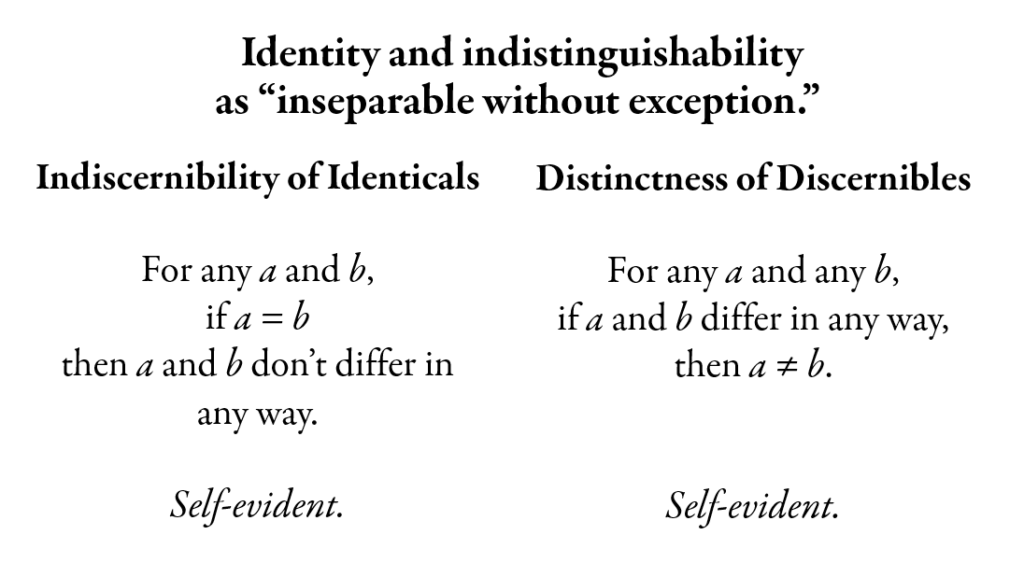
Below are a few slides that will help you to follow some of my key points.
Auto-generated chapters:
0:30 The Conciliar Trinity Debate
1:14 Opening Case: Scripture Versus Later Doctrine
5:00 Why Trinitarians Disagree About the Trinity
9:16 Jesus as God’s Human Messiah
13:59 Identity Claims and Conciliar Trinitarianism
18:14 Four Theologies and the Problem of Confusion
29:38 Is the Holy Spirit a Divine Person?
47:22 What Jesus’ Worship Means
53:02 Sharing God’s Throne and Authority
57:47 Jesus’ Authority to Forgive Sins
1:00:35 The New Testament’s Limited Messiah
1:04:19 The New Testament’s Human Jesus
1:08:43 What Makes Jesus Truly Human?
1:12:00 From One Divine Person to Three
1:16:09 The Rebuttal Turns to Metaphysics
1:19:21 How Should We Count Gods?
1:25:00 Challenging the Shared-Divinity Argument
1:30:59 Identity, Difference, and Modalism
1:43:51 The Statue, the Clay, and Aspects
1:56:52 Applying Aspects to the Trinity
2:01:49 Did the Rebuttal Answer the Case?
Links for this episode:
podcast 403 – Is Conciliar Trinitarianism Biblical and Orthodox? Debate Review – Part 1
How Trinity Theories CONFLICT With The Bible with Dr. Dale Tuggy (a video version of chapter 3 of Monotheism, Heresy, and the Bible)
This week’s thinking music is “Write Hear Right Now Instrumental” by Pipe Choir.
AI-generated Long Summary:
This episode, we review the second part of a debate with Dr. Joshua Sijuwade on whether conciliar Trinitarianism is biblical and orthodox. We present our opening statement, arguing that the New Testament identifies the Father as the only true God and describes Jesus as God’s human Messiah. We also distinguish this view from both tripersonal Trinitarianism and Sujuwade’s account, which identifies the Father as the one God while treating the Son and Spirit as fully divine persons.
We discuss disagreements among Trinitarian theologians about what “person” means and whether the Bible teaches doctrines such as the Son’s eternal generation and the Spirit’s procession. We argue that the New Testament does not present the Holy Spirit as a third divine person, citing the absence of worship and prayer directed to the Spirit, passages that mention the Father and Son without the Spirit, and biblical descriptions of the Spirit as God’s presence or power.
We also examine New Testament portrayals of Jesus, including his worship of God, his authority under God, and his limitations in knowledge and mortality. We argue that Jesus’ role as Messiah, servant, prophet, and descendant of David presents him as a human person rather than a fully divine person. We discuss how Jesus’ worship and sharing of God’s throne can be understood in relation to the authority God gives him.
In the rebuttal, Sijuwade defends the coherence of conciliar Trinitarianism through metaphysical arguments about how divinity is counted and how the divine persons relate to one divine substance. We respond to his claims about shared divinity, numerical identity, and the possibility that one thing can differ from itself through distinct “aspects,” using examples such as a statue and the clay from which it is made.
We conclude by assessing the rebuttal, arguing that it does not address the central scriptural points of our opening statement or the cited Christian authorities on orthodoxy. We preview the next episode’s discussion of the remaining debate.
AI-generated brief summary:
In this episode, we review the second part of our debate with Dr. Joshua Sijuwade on whether conciliar Trinitarianism is biblical and orthodox. We discuss our arguments that the New Testament presents the Father as the only true God and Jesus as his human Messiah, including passages concerning Jesus’ worship, authority, knowledge, and mortality, as well as the role of the Holy Spirit.
We examine disagreements over the meaning of “person” and doctrines such as the Son’s eternal generation and the Spirit’s procession. We then respond to Sijuwade’s metaphysical arguments about divine substance, identity, and the relations between the divine persons, and assess whether his rebuttal addresses our scriptural arguments.

Related posts:

podcast 379 - AI and I evaluate my debate with James White

podcast 400: Debate – Tuggy vs. Bird – The New Testament Jesus is Not Divine – Part 2

What is the Trinity? A Dialogue with Steve Hays - Part 1

Brown vs. White on the Trinity

podcast 100 - Dr. Larry Hurtado on God in New Testament Theology
podcast 396 - Debate: Tuggy vs. White - John 1 is not Trinitarian - Part 3
Swinburne's Social Trinitarian Theory, Part 2 - a key move

the Quaternity Argument

Derivation vs. Generic Theories -- part 3: The Derivation View (JT)